
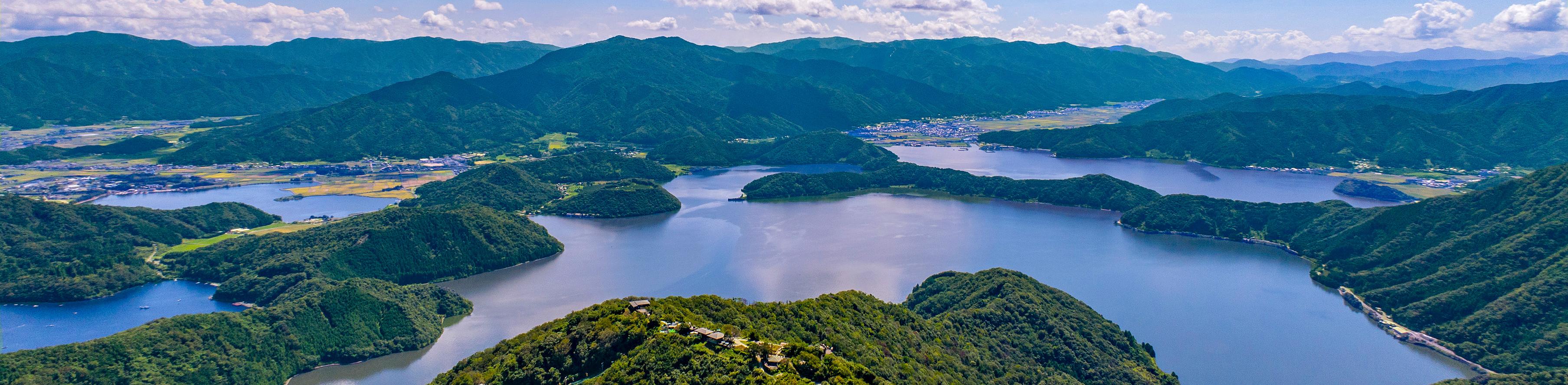
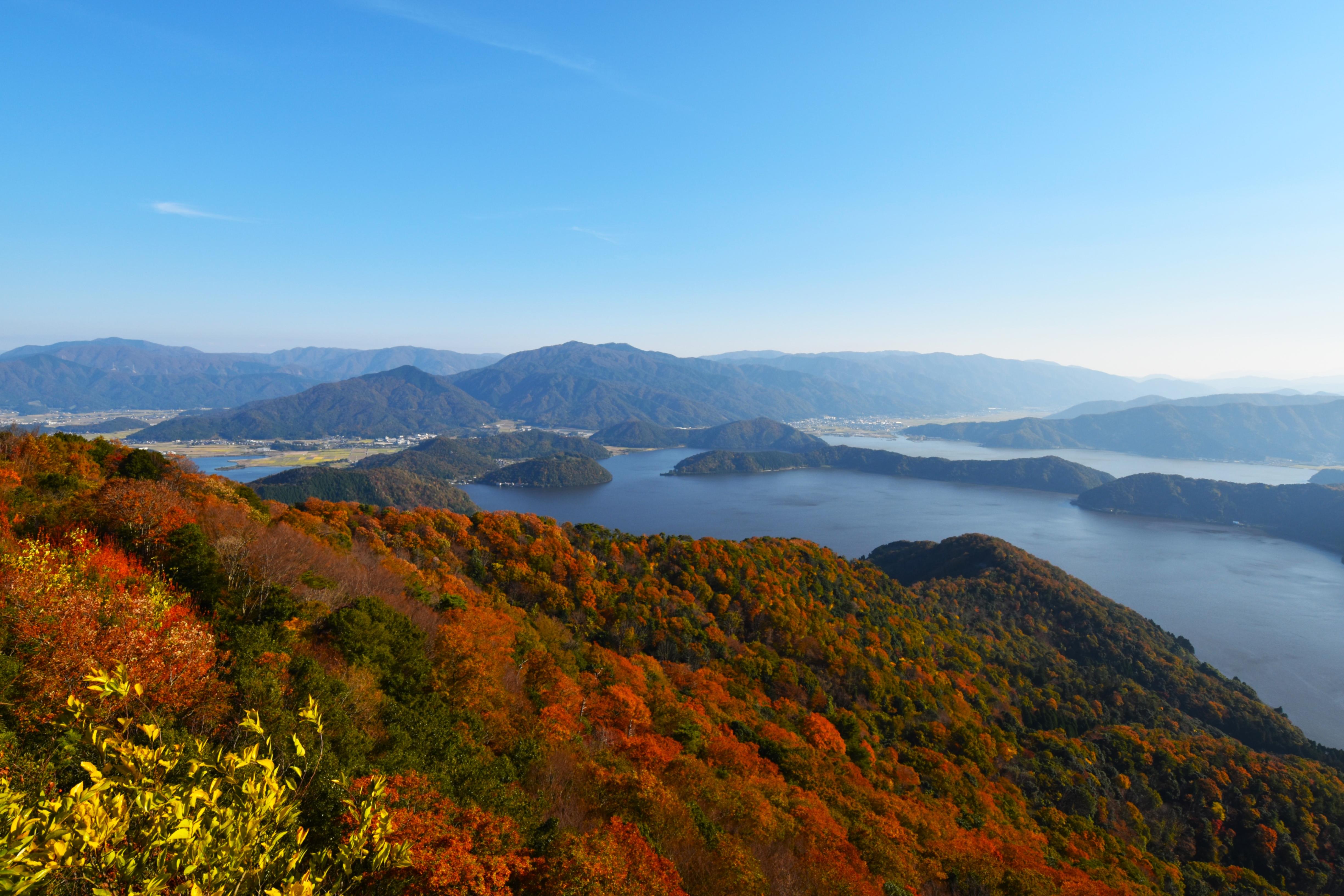
A stunning group of lakes in Wakasa Bay Quasi-National Park, Fukui, Japan. Made up of five lakes—Mikata, Suigetsu, Suga, Kugushi, and Hiruga—each has different water quality and shows a different color, hence the name “Five-Colored Lakes.”
Loading…
Kyoto Station Hachijō Exit Festival Clock Plaza
Please arrive 10 min before departure
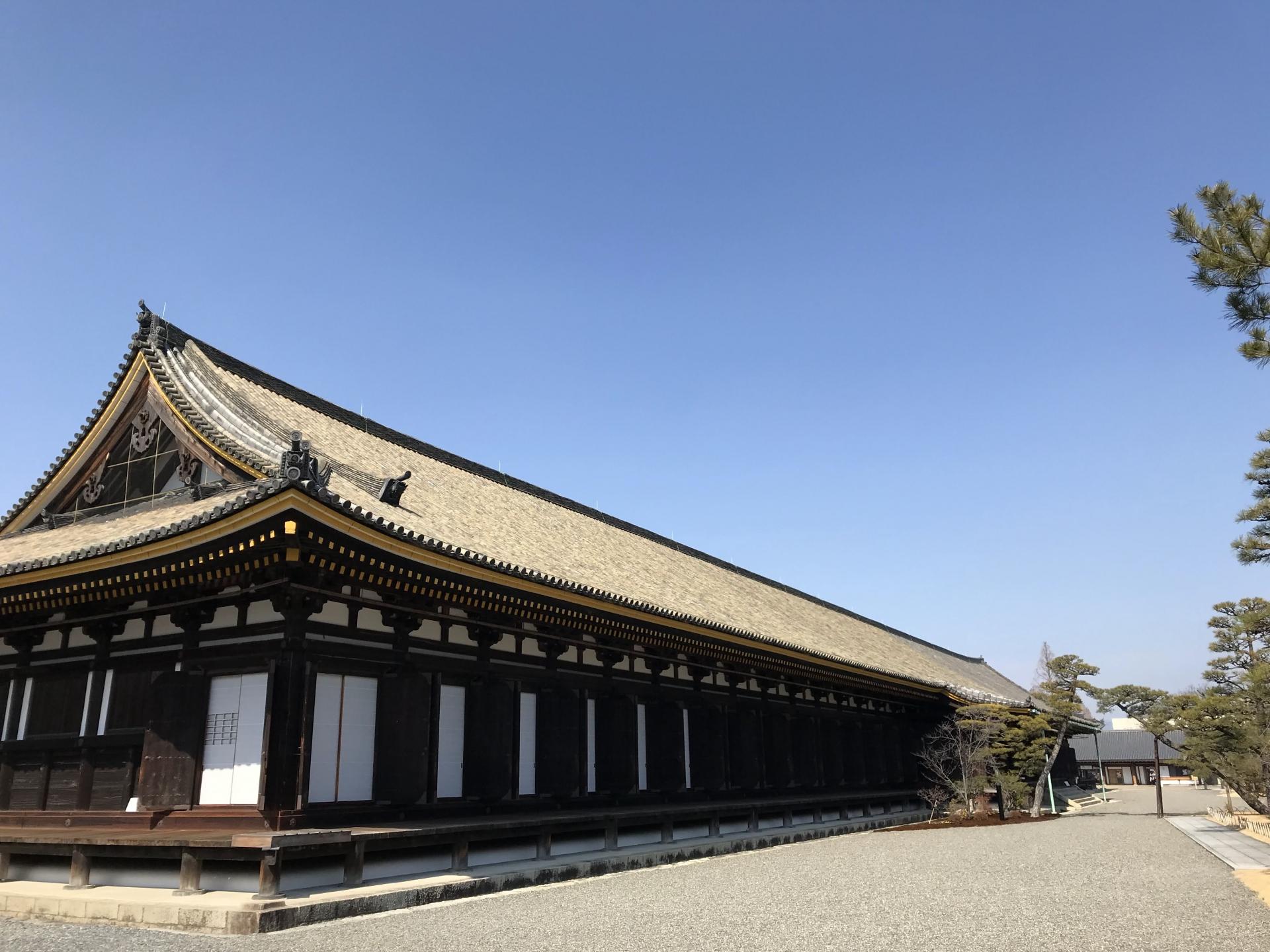
One of Japan’s longest wooden buildings, the name “Sanjūsangen-dō” comes from the number of pillar bays inside, symbolizing the 33 manifestations of Kannon, the Bodhisattva of Compassion.
View the lake’s torii gate from the car window — Shirahige Shrine
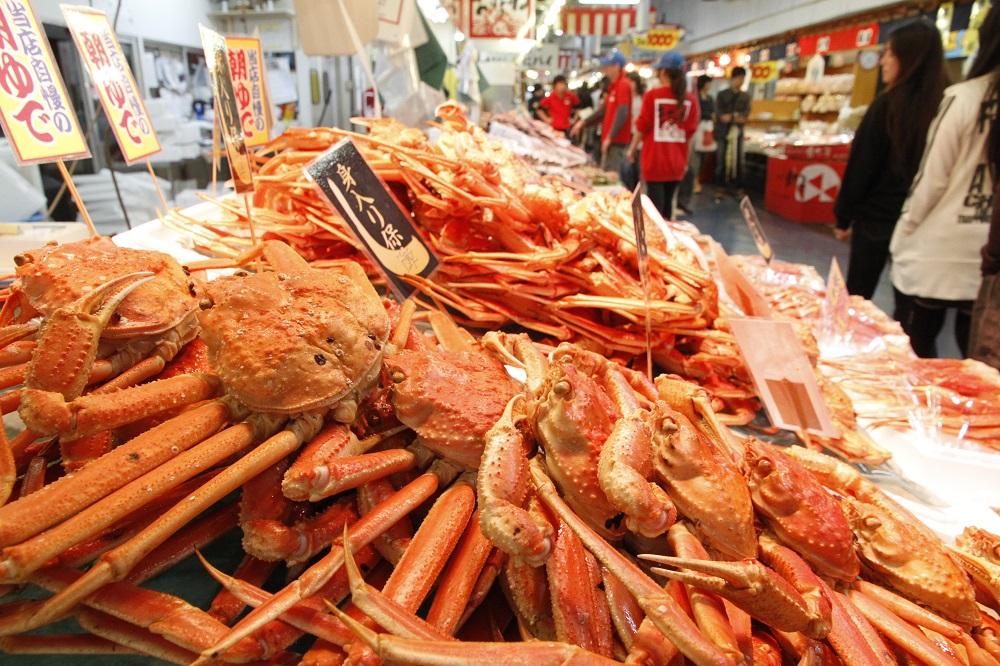
A large seafood market facing the Sea of Japan and one of the biggest fish markets in the Hokuriku region. Dozens of shops sell freshly landed local seafood and a wide range of processed foods, making it a popular sightseeing spot for both shopping and dining. Inside, you’ll find an abundant selection—from crab, shrimp, and scallops to seasonal fish of all kinds. Beyond fresh seafood, there are plenty of dried goods, pickles, and souvenirs—ideal for picking up Sea of Japan specialties.
The Mikata Five Lakes in the Wakasa area of Fukui Prefecture are a breathtaking scenic spot of five lakes facing Wakasa Bay on the Sea of Japan, and are designated a National Place of Scenic Beauty. The lakes—Mikata, Suigetsu, Suga, Kugushi, and Hiruga—differ in water quality and depth, creating richly layered hues known as the “Five-Colored Lakes.”
An outstanding viewpoint overlooking the Mikata Five Lakes and Wakasa Bay. The park sits on a mountaintop and is reached by cable car or chairlift; along the way you can admire spectacular natural scenery. Once at the top, enjoy a 360° panoramic view.
The Metasequoia Avenue in Takashima, Shiga Prefecture, is a straight, tree-lined road stretching about 2.4 km. Around 500 tall, stately metasequoia trees stand neatly on both sides, creating a spectacular yet poetic natural landscape.
Kyoto Station Hachijo Exit Festival Clock Plaza · Arrive at Kyoto Station
Travel agency liability insurance
Transportation expenses
Japanese, Traditional Chinese, English
Personal consumption
Tip
Other unspecified fees
Attraction Tickets
A stunning group of lakes in Wakasa Bay Quasi-National Park, Fukui, Japan. Made up of five lakes—Mikata, Suigetsu, Suga, Kugushi, and Hiruga—each has different water quality and shows a different color, hence the name “Five-Colored Lakes.”
Ride the ropeway or mountain lift uphill to enjoy, all at once, five colorful lakes and sweeping views of the Sea of Japan—an awe-inspiring panorama like a painting.
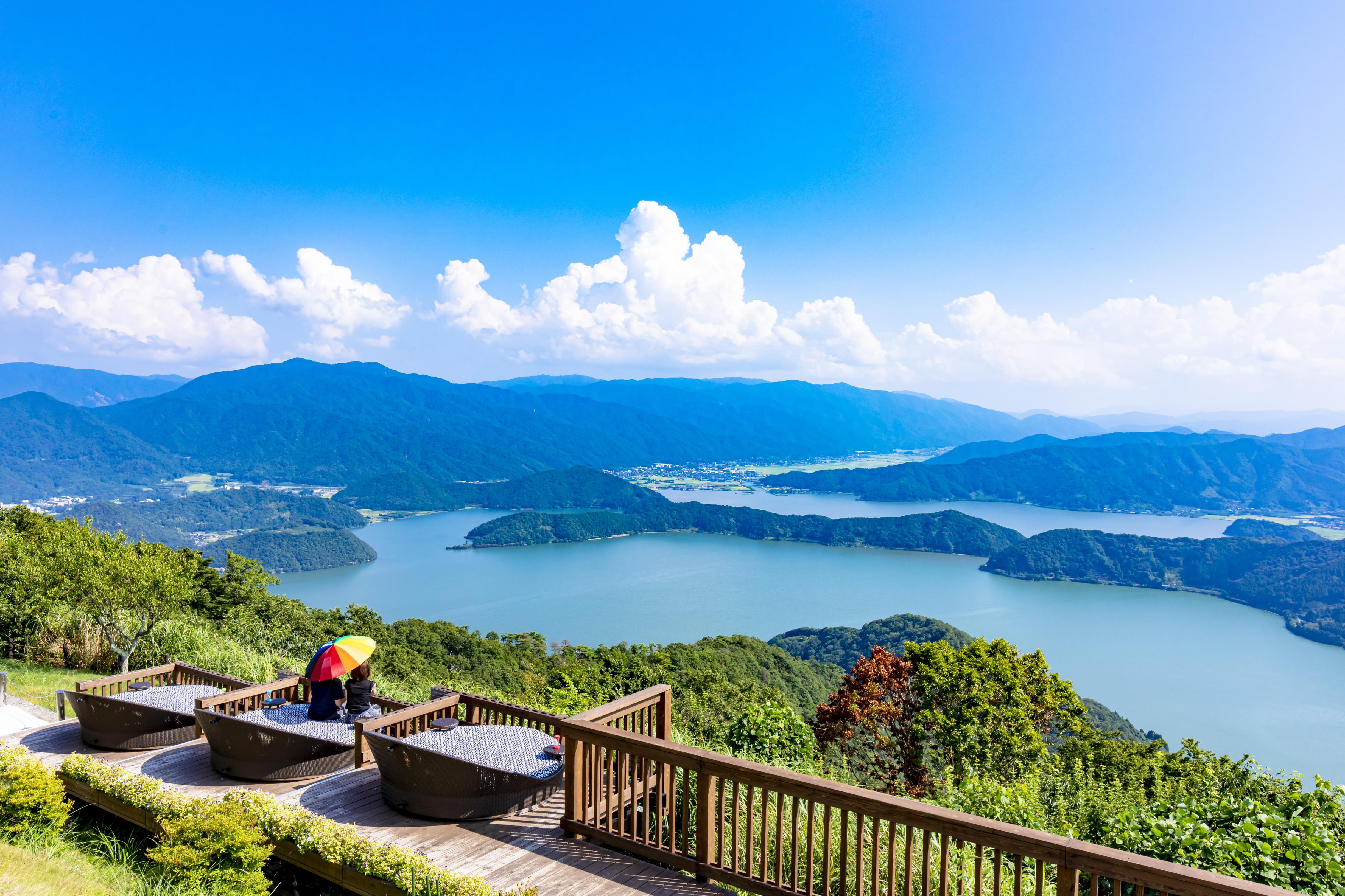
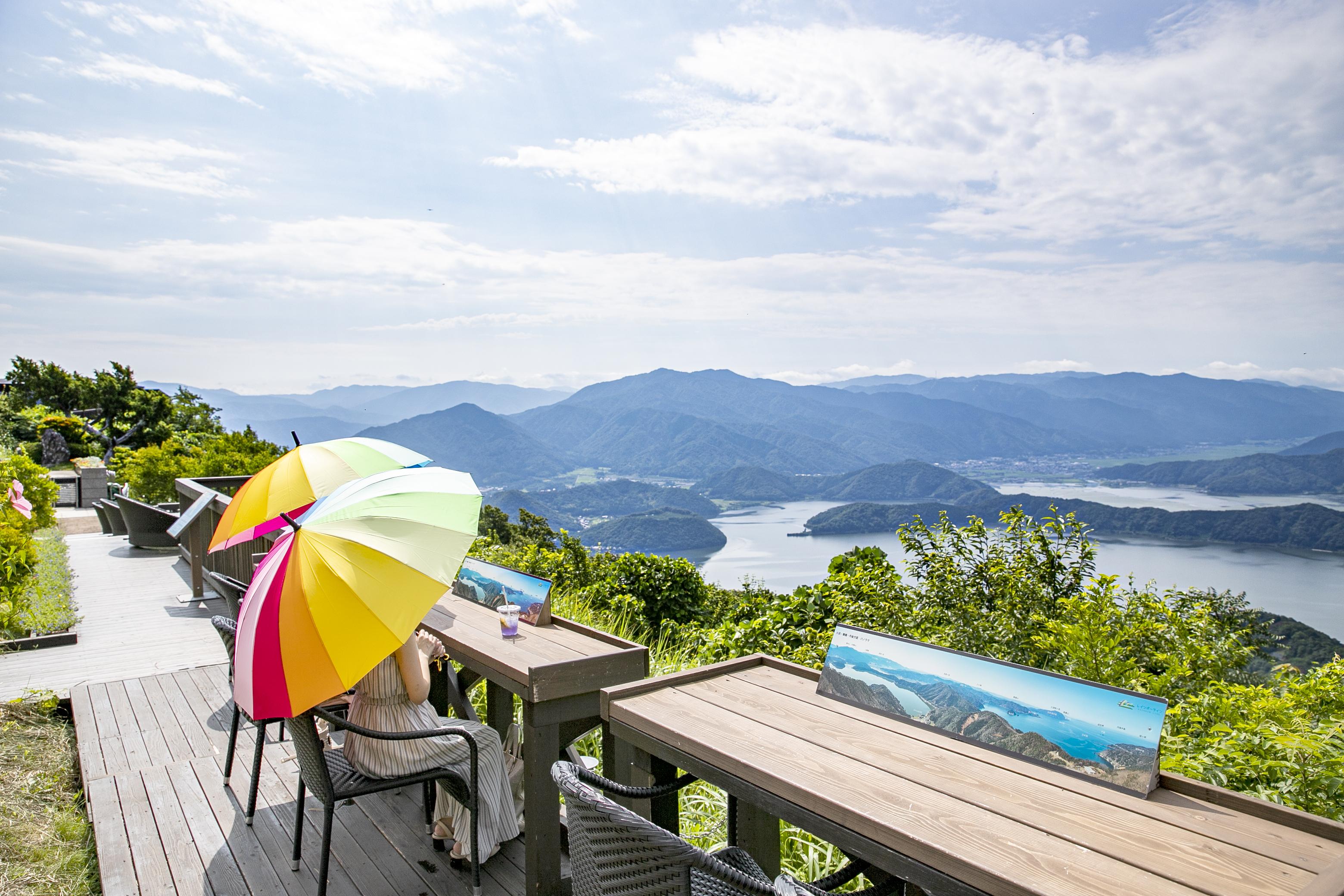
The Summit Park isn’t just a single lookout; it’s a collection of themed viewing areas. The most unique experience is soaking your feet in a footbath while taking in sweeping views of the Mikata Five Lakes and the Sea of Japan—pure, restorative relaxation for body and mind.
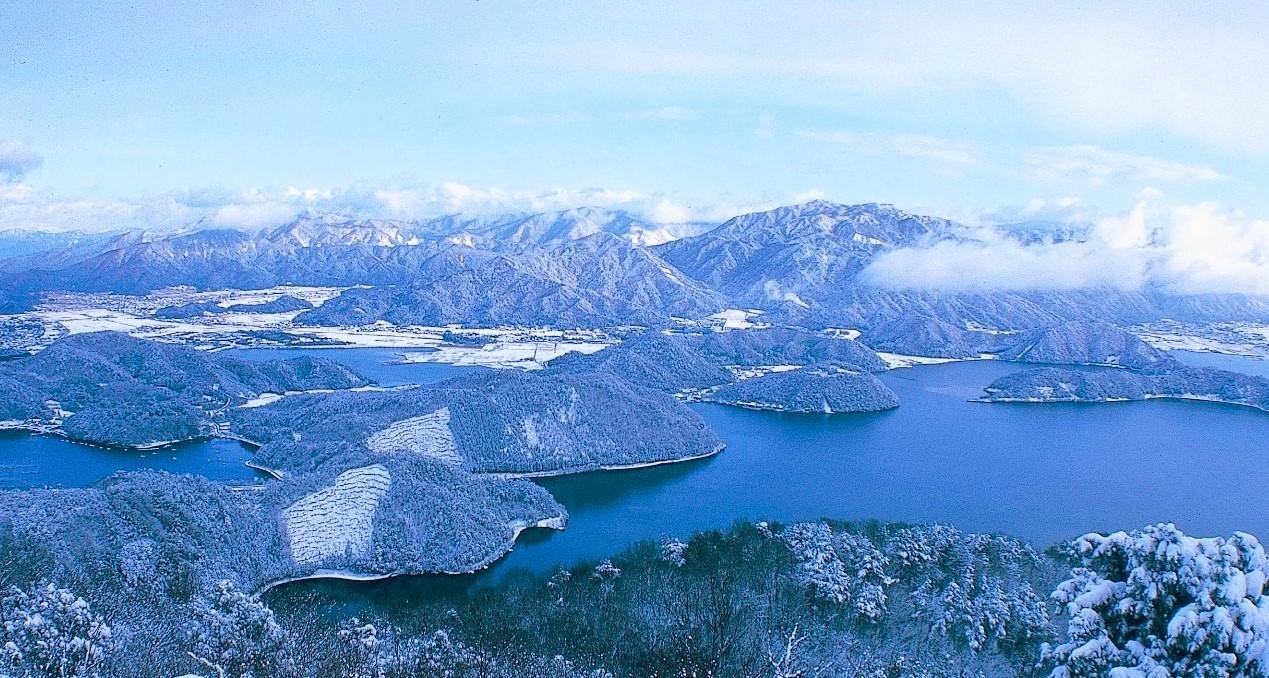
In winter, the Mikata Five Lakes turn quietly subdued, revealing a minimalist, pure natural beauty.
Autumn is one of the most popular seasons at Mikata Five Lakes: the mountains are blanketed in red, orange, and golden foliage, creating richly layered colors with the lake waters. ★Peak time for autumn leaves at Mikata Five Lakes is usually early to late November.
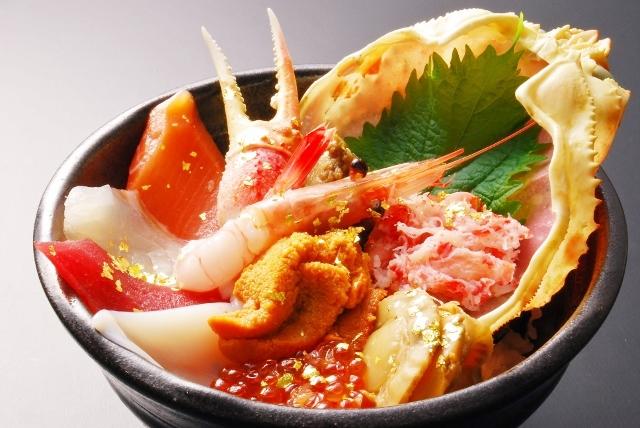
Feast on just-caught seafood at one of the Japan Sea’s largest fish markets—one bite and you’ll taste the most authentic Wakasa flavors. Don’t miss the winter-only delicacy: crab, especially Fukui’s famous “Echizen Crab.”
test
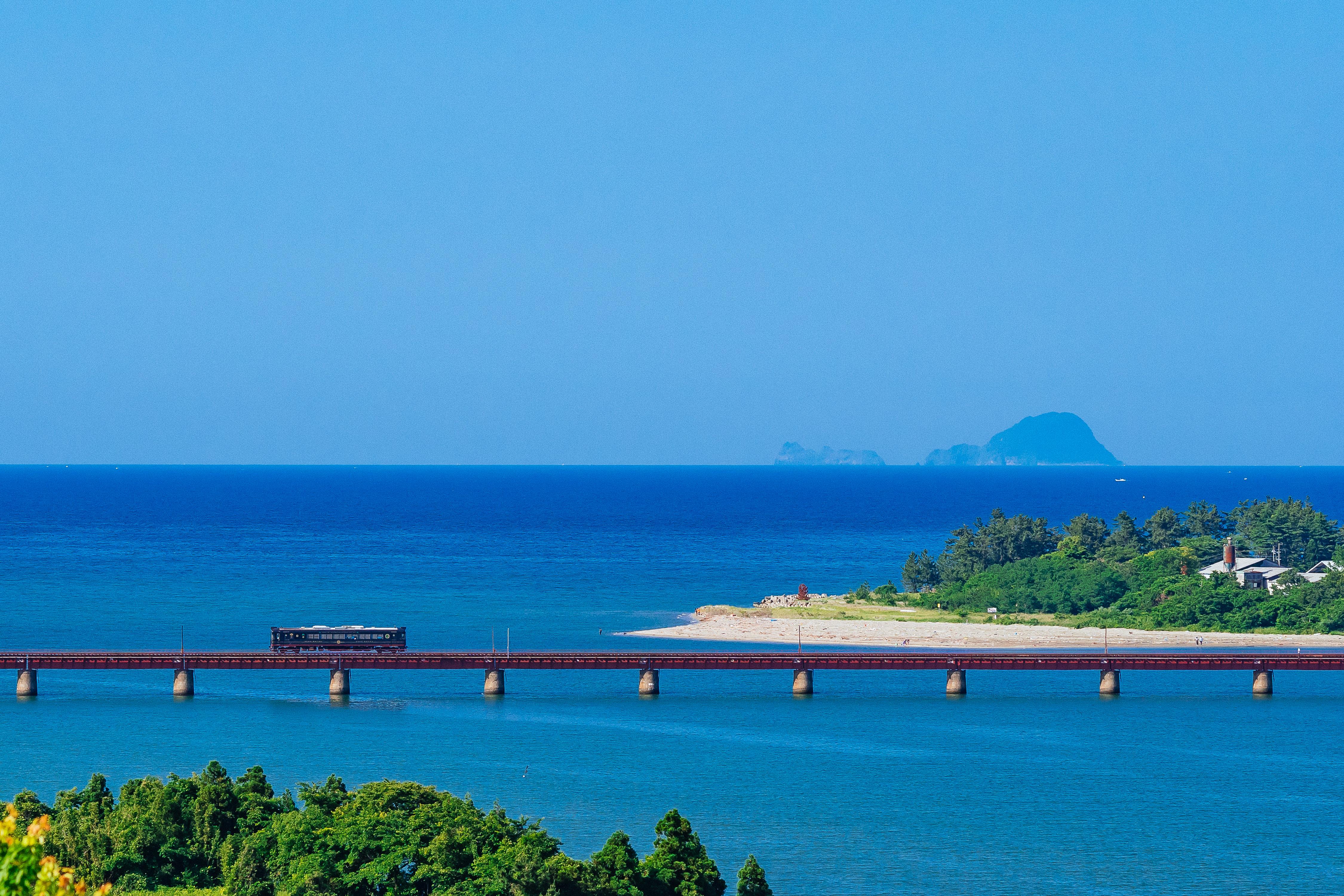
Taking the Kyoto Tango Railway from “Nishi-Maizuru” to “Amanohashidate” is a soothing rail journey blending sea views and local charm, and a classic experience on the “Sea Kyoto” route.
Sanjūsangen-dō, one of Japan’s longest wooden buildings The main hall is about 120 meters long. “Thirty-three bays” refers to the 33 spaces between the columns.
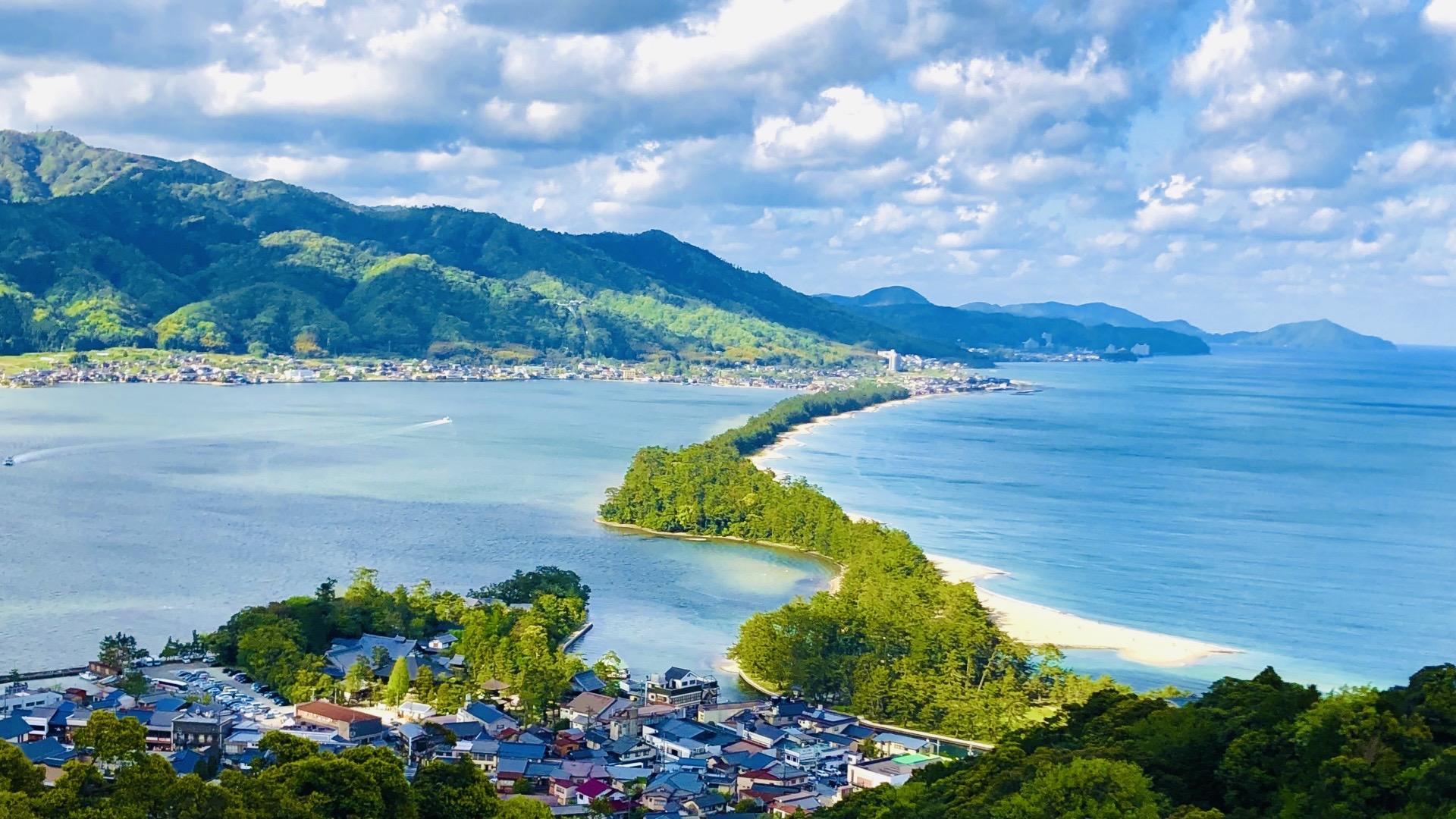
Amanohashidate “Hiryukan” is one of the most iconic and spectacular viewpoints for enjoying Amanohashidate. From high above, the entire sandbar looks like a giant dragon soaring through the sky—hence the name “Hiryukan.”
The images and text are for reference only, the itinerary description shall prevail.